
Why Tree Care Matters
Texas tree care professionals agree that proactive, seasonal maintenance is the key to healthier, safer, longer‑lasting trees that can withstand our intense heat and severe storms. They emphasize regular, well‑timed pruning to remove weak or dead limbs, improve structure, and reduce the risk of storm damage. Instead of rushing to remove trees, reputable arborists focus on preserving valuable shade trees whenever possible through proper pruning, watering, and support systems. This matters because neglected trees are more likely to fail in high winds or ice, creating safety hazards and costly property damage. Thoughtful tree care also boosts curb appeal and property value, while giving you cooler, more comfortable outdoor spaces.
- Get Regular Inspections
- Hire Qualified Professionals
- Keep Your Trees Healthy
Complete Tree Services For Your Home And Business
From routine maintenance to complex removals, our team provides complete tree services designed to enhance the safety and aesthetic value of your property. We combine biological expertise with modern equipment to ensure every tree in your landscape receives the precise care it needs to thrive. Whether you are a homeowner looking to protect your backyard canopy or a business owner managing a large commercial site, our solutions are tailored to meet the specific demands of your environment. Our commitment to industry standards means we handle everything from structural pruning to stump grinding with a focus on long-term arboricultural health. By choosing a partner that offers complete tree services, you ensure a seamless, professional experience that keeps your landscape beautiful and hazard-free year-round.
Tree Trimming
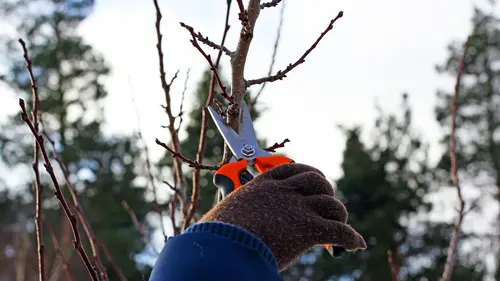
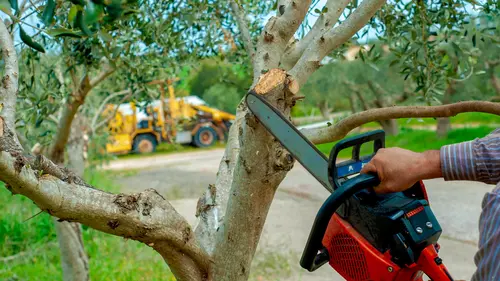
Enhance your property’s curb appeal and tree canopy shape with precision trimming designed for optimal sunlight and airflow.
Tree pruning
Protect the structural integrity and long-term health of your trees by removing diseased or hazardous limbs with expert cuts.
Stump Grinding
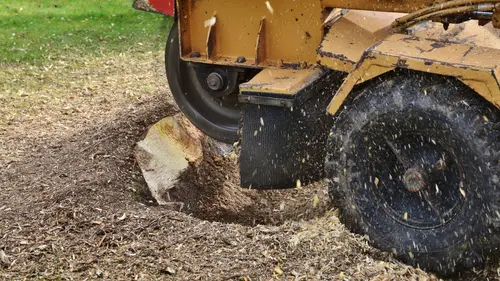
Clear the way for new growth by completely removing unsightly stumps and preventing pest infestations beneath the surface.
Emergency Storm Response
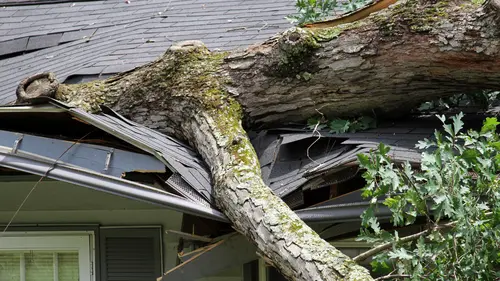
Rapid deployment for fallen limbs, branches, uprooted trees caused by Texas severe winds, storms or tornadoes.
Safe Tree Removal
Controlled removal of hazardous, diseased, or unwanted trees using advanced rigging techniques to protect your structures.
Tree health care
Ensure your trees thrive for generations through professional soil treatments, pest management, and expert disease diagnosis.
Tree Trimming and Pruning
Your content goes here. Edit or remove this text inline or in the module Content settings. You can also style every aspect of this content in the module Design settings and even apply custom CSS to this text in the module Advanced settings.
Tree Stump Grinding and Removal
Your content goes here. Edit or remove this text inline or in the module Content settings. You can also style every aspect of this content in the module Design settings and even apply custom CSS to this text in the module Advanced settings.
Emergency Storm Response
Your content goes here. Edit or remove this text inline or in the module Content settings. You can also style every aspect of this content in the module Design settings and even apply custom CSS to this text in the module Advanced settings.
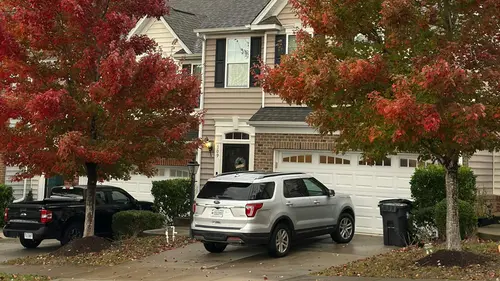
Tree health and Care
Your content goes here. Edit or remove this text inline or in the module Content settings. You can also style every aspect of this content in the module Design settings and even apply custom CSS to this text in the module Advanced settings.
What to know about tree maintenance
How often should I prune my trees, and when is the best time of year to do it?
Most trees benefit from pruning every 2–5 years, depending on species, age, and location. Light shaping and removal of dead or hazardous limbs can be done more often, while major structural pruning is usually best in late winter or very early spring before new growth starts.
How can I tell if my tree is sick, dangerous, or needs to be removed?
Warning signs include large dead branches, cracks in the trunk, mushrooms or decay at the base, sudden leaning, and thinning or discolored foliage. If you see any of these, a professional inspection is the safest way to decide between treatment, pruning, or removal.
What maintenance should I handle myself versus hiring a professional arborist for?
Homeowners can usually handle basic watering, mulching, and small low‑level deadwood removal with proper tools and safety gear. Anything involving large limbs, heights, power lines, or structural cuts should be left to a trained, insured tree care professional.
How much should tree trimming or removal cost, and what’s a fair estimate?
Costs vary based on tree size, access, risk, and cleanup requirements, so most companies price per job rather than per tree. Getting 2–3 written estimates from reputable, insured providers is the best way to understand a fair range for your property.
What can I do to protect my trees from storms, drought, and extreme weather?
You can improve resilience by scheduling regular structural pruning, watering deeply but infrequently, and using mulch to protect roots and retain moisture. In high‑risk areas, an arborist may recommend additional measures like cabling, bracing, or selective limb reduction to reduce storm failures.
Why choose us?
Your content goes here. Edit or remove this text inline or in the module Content settings. You can also style every aspect of this content in the module Design settings and even apply custom CSS to this text in the module Advanced settings.
1. Expert Assessment
An arborist evaluates the health and structural integrity of your trees.
2. Custom Care Plan
We provide a transparent estimate and a detailed plan of action tailored to your landscape.
3. Thorough Cleanup
We leave your property better than we found it, removing all debris and wood chips.
4. Rejuvenated Trees!
Your trees are fit to be healthy for longer periods of time, hassle free!